10/29/2026
Who May Be Liable if a Construction Accident Leads to Catastrophic Burn Injuries?


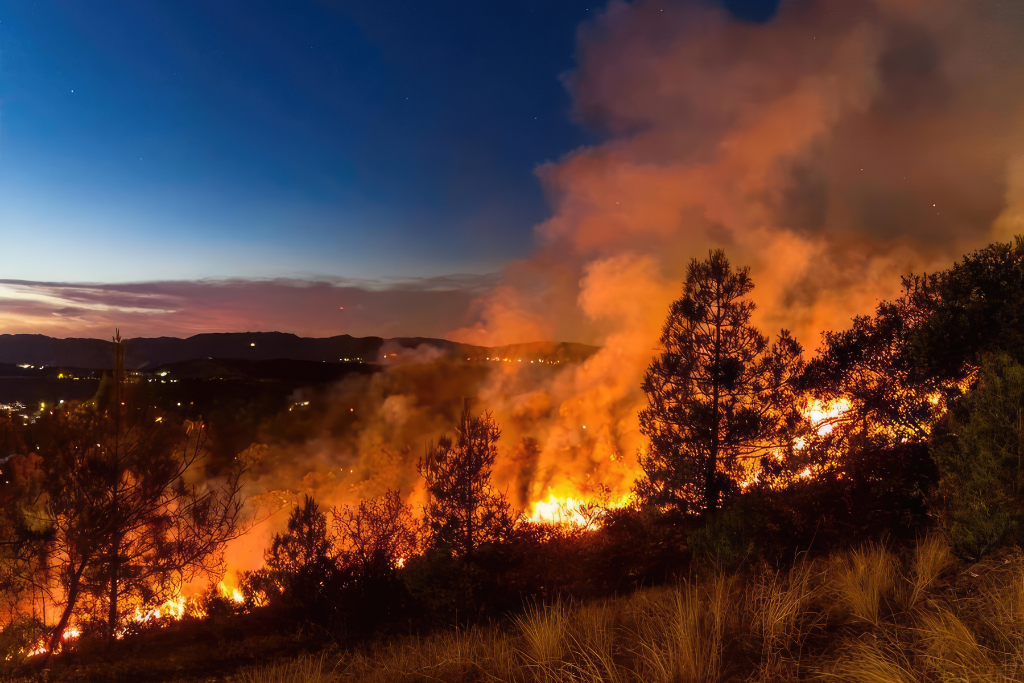
If you were injured or suffered losses in a Northern California wildfire, you may be asking whether PG&E or another utility can be held responsible. A claim requires evidence connecting specific conduct or equipment to the fire, and connecting the fire to your injuries or losses. The fact that an investigation is underway does not by itself establish civil liability.
We help injured people understand the evidence and procedures that may apply to a wildfire claim. Here are practical steps to protect records, communicate with insurers, and understand the difference between a regulatory investigation and a civil case.
Start by identifying which agencies are investigating and whether any public reports are preliminary or final. Depending on the fire, records may come from CAL FIRE, local fire officials, the California Public Utilities Commission (CPUC), or other agencies. A report may address a particular question, such as whether utility equipment was involved or whether safety rules were followed. It may not answer every question about the fire’s origin, spread, legal responsibility, or an individual person’s damages.
The CPUC’s Safety and Enforcement Division investigates wildfires involving electric investor-owned utility equipment to assess compliance with applicable rules. The Commission says staff do not determine the cause of a fire. A regulatory report or enforcement action may provide relevant information, but a civil claim still requires proof of the elements that apply to that claim.
The CPUC also says its formal complaint process cannot award personal-injury or property damages; those requests belong in a civil claim or another applicable process.
Keep medical records, discharge instructions, photographs, receipts, and a timeline of symptoms and treatment. If smoke, burns, or another direct exposure caused an injury, record when and where it occurred and the care you received. Save evacuation notices, lodging and transportation costs, damaged-property inventories, repair estimates, and photographs of property before cleanup when it is safe to do so. Identify witnesses and note what they observed.
Do not enter a restricted or unsafe area to gather evidence. Preserve original photographs and digital files, and make a backup. If a business, utility, or agency may hold video or records, note the location and date promptly; some material may be overwritten or discarded under routine retention practices.
Notify your homeowners, renters, auto, health, or other insurers according to the policy and promptly comply with requests for information. Ask about additional living expenses, medical payments, and proof-of-loss requirements. Keep copies of forms, estimates, payment letters, and recorded-statement requests. An insurance payment may involve reimbursement or subrogation rights, so track who paid each expense and whether a repayment claim has been asserted.
You do not need to wait for a final fire report before giving your insurer required notice. Insurance duties and civil deadlines can run on separate schedules. If you are asked to sign a release, provide a broad statement, or accept payment that may resolve a claim, understand the scope before agreeing.
A fire investigation may examine equipment condition, vegetation management, inspection and maintenance records, known defects, shutoff decisions, weather, and compliance with safety requirements. Investigators also consider other possible ignition sources and how a fire spread. The questions are fire-specific; no general assumption about a utility’s role can replace evidence from the incident.
A complete claim may need to establish a chain: what the utility did or failed to do, whether that conduct caused or contributed to the fire, and how the fire caused the particular injury or loss. Wind, terrain, vegetation, other equipment, and later events can be relevant. Technical fire, engineering, medical, and property evidence may be needed to explain those connections.
Negligence is not the only theory that may arise in a utility-fire dispute. Inverse condemnation and other legal doctrines can involve complex questions about the defendant, the property interest, the governing law, and the kind of damages sought. We avoid treating any theory as automatically available; an attorney should evaluate it against the facts and current law.
A CPUC complaint may address utility service or regulatory concerns, but the Commission explains that its complaint process does not award compensation for personal injury, property damage, emotional distress, or lost wages. A civil claim follows different procedures and proof requirements. Filing with an agency does not necessarily satisfy a court deadline.
California has deadlines for injury and property claims, and the applicable period can depend on the type of loss, the parties, and special legal rules. Coordinated litigation, claims programs, utility tariffs, bankruptcy or trust procedures, and court orders may also affect how a particular claim proceeds. Do not rely on a news report or another victim’s timeline to calculate your own deadline.
Review the California Courts filing-deadline information and get case-specific guidance.
We represent injured people in Santa Rosa and Northern California. If you are considering a personal injury claim after a wildfire, we can discuss the evidence you have, the questions that remain, and possible next steps. You can also learn about our Santa Rosa personal injury office and serious injury and wrongful death representation.
Call (707) 244-6050 to speak with us today.
No. A CPUC report may contain important evidence about compliance or equipment, but civil liability and causation must still be established under the law that applies to the claim.
Usually, you should follow your policy’s notice and proof-of-loss requirements while investigations continue. Insurer deadlines and civil filing deadlines may be different.
Possibly, but recoverability depends on the legal claim, causation, evidence, and individual circumstances. Keep records and ask for advice about your specific losses.