10/29/2026
What Is California Prop 213?


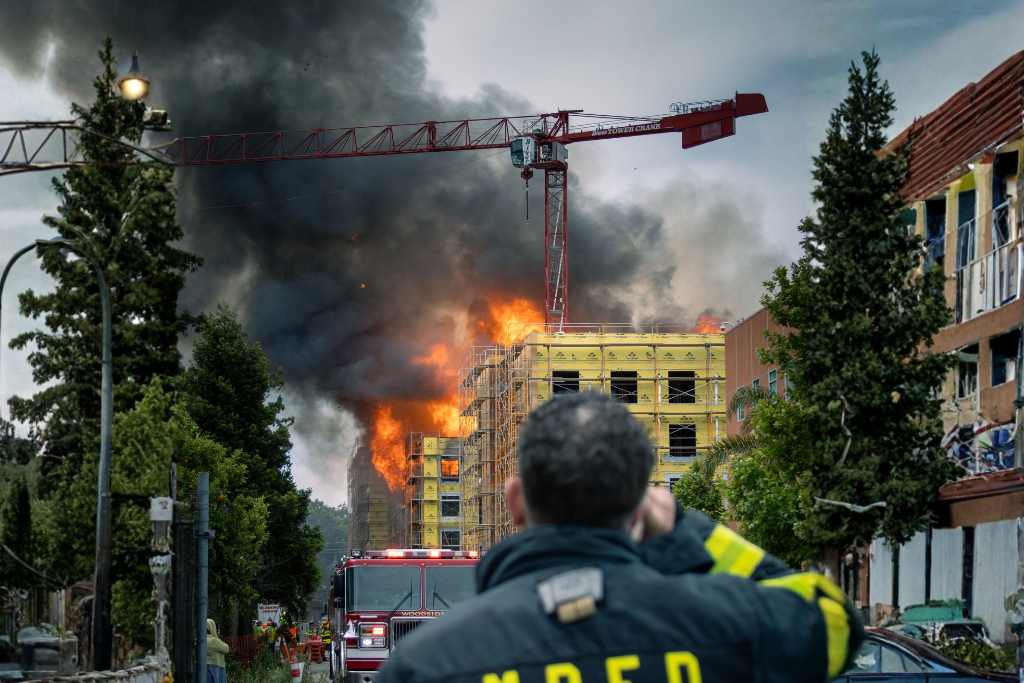
Construction sites can expose workers to open flames, electrical systems, hot materials, chemicals, and other hazards capable of causing devastating burns. When a construction accident leads to catastrophic burn injuries, the physical and financial consequences may extend far beyond the initial emergency.
For an injured worker and their family, one important question is who may be legally responsible. Workers’ compensation may provide certain benefits after a job-related injury, but depending on how the accident happened, another person or company may also bear responsibility.
A Santa Rosa personal injury attorney can review the circumstances of a construction site accident and help determine which potential sources of compensation may be available.
Burn injuries can damage skin and deeper tissue, cause scarring, and create a risk of infection. Severe burns may require hospitalization, surgery, skin grafting, rehabilitation, and prolonged medical care.
Burns can result from heat, chemicals, electricity, radiation, and other sources. Medical providers consider factors such as the depth, location, cause, and percentage of the body affected when evaluating the seriousness of a burn.
For someone who performs physical work, the effects can also interfere with mobility, strength, dexterity, and the ability to return to the same occupation. Catastrophic burns may therefore create both immediate medical needs and significant long-term financial losses.
A serious burn at a construction site may be a medical emergency. The first priority should be getting the injured person away from continuing danger when it can be done safely and obtaining appropriate emergency medical attention.
Electrical and chemical burns require particular caution because the visible injury may not reveal the full extent of the damage. MedlinePlus recommends medical attention for burns caused by electricity or chemicals and for burns that appear deep or affect certain sensitive areas of the body.
After emergency treatment, injured workers should follow their medical providers’ recommendations and keep copies of medical records, bills, work restrictions, and related documents. Those materials can later become important evidence of the nature and impact of the injury.
Construction work can create several different types of burn hazards.
Thermal burns result from exposure to sources such as flames, steam, hot surfaces, molten materials, or explosions. Welding, cutting, and other “hot work” can create ignition risks when appropriate safeguards are not in place.
OSHA construction standards address fire-prevention measures and ignition hazards on construction sites.
Electrical burns may occur when a worker contacts energized equipment, wiring, power lines, or other electrical sources. OSHA identifies construction-related electrical hazards including contact with power lines, inadequate ground-fault protection, damaged grounding paths, and improper use of electrical equipment.
Electrical incidents can cause burns as well as shock, falls, fires, or electrocution.
Construction workers may also encounter corrosive or hazardous chemicals. Depending on the substance, contact with the skin or eyes can produce serious chemical burns.
Treatment varies according to the substance and circumstances, so workers should seek appropriate medical help rather than assuming that every chemical exposure should be handled in the same way.
Medical professionals increasingly describe burns by their depth, although the familiar degree system is still widely understood.
First-degree, or superficial, burns affect the outer layer of the skin. They may cause redness, swelling, and pain.
Second-degree, or partial-thickness, burns extend into the layer beneath the outer skin. Blistering, significant pain, swelling, and skin damage can occur.
Third-degree, or full-thickness, burns destroy the full thickness of the skin and may damage underlying tissue. These burns require emergency medical attention and frequently require surgical treatment.
The term fourth-degree is sometimes used for burns that extend beyond the skin into deeper tissue, including fat, muscle, or bone. These injuries are exceptionally severe and require specialized medical care.
Responsibility for a construction site burn depends on what caused the accident and which individuals or businesses controlled the hazardous condition.
Potentially responsible parties may include a general contractor, subcontractor, property owner, equipment manufacturer, supplier, or another company working at the site. For example, liability questions may arise when defective equipment starts a fire, another contractor creates an electrical hazard, or a company outside the injured worker’s employer controls an unsafe condition.
That does not mean every contractor or property owner at a jobsite is automatically liable. Establishing a personal injury claim generally requires examining the specific party’s conduct, responsibilities, and connection to the injury.
OSHA also imposes extensive safety requirements in the construction industry, which it describes as a high-hazard field involving risks such as electrocution and dangerous machinery. A safety violation may be relevant evidence, but whether it establishes civil liability in a particular California case requires a separate legal analysis.
Construction sites change quickly. Equipment may be moved, hazards may be repaired, and crews may move to different projects. Preserving evidence as early as possible can therefore be important.
Useful evidence may include:
An attorney may also investigate contracts and jobsite responsibilities to determine which company controlled the work or condition involved in the accident.
Possibly. California workers’ compensation generally provides benefits to employees who suffer work-related injuries, including medical treatment and partial replacement of lost wages. California’s Division of Workers’ Compensation explains that workers’ compensation does not include damages for pain and suffering or punitive damages.
In many situations, workers’ compensation is the primary remedy against an injured worker’s employer. However, an injured employee may sometimes have a separate claim against a third party whose conduct contributed to the injury.
This distinction can be especially important on construction projects because several unrelated businesses may be working at the same site. A subcontractor’s employee, for example, may be injured because of equipment or a dangerous condition controlled by a different company.
Workers should also act promptly after an injury. The California Division of Workers’ Compensation advises employees to notify a supervisor as soon as possible and explains that reporting delays can affect workers’ compensation benefits. The deadlines and procedures applicable to a civil injury claim are different and should be evaluated separately.
Catastrophic burn cases can involve substantial medical treatment, disputed responsibility, multiple contractors, and overlapping insurance or workers’ compensation issues. An attorney can investigate how the accident occurred, identify potentially responsible parties, preserve evidence, and evaluate the different claims that may be available.
For people coping with serious injuries, legal counsel can also assess losses that may extend beyond immediate medical bills, including future treatment needs, reduced earning capacity, and the broader effects of a permanent injury.
The experienced personal injury attorneys at Hansen, Frisbie & Clausen can review the circumstances surrounding a construction accident and explain the legal options that may apply.
A catastrophic burn can affect a worker’s health, career, finances, and family for years. When several companies or contractors were involved at the site, determining responsibility may require a detailed investigation.
To discuss a serious construction injury and the legal options that may be available, contact Hansen, Frisbie & Clausen or call (707) 244-6050.
Not necessarily in the same way a third party might be liable in a personal injury lawsuit. California workers’ compensation rules generally govern job-related claims against an employer, while separate legal rules may apply to another contractor, manufacturer, property owner, or other third party.
OSHA investigates workplace safety and enforces occupational safety requirements. An OSHA finding or related evidence may be important, but OSHA does not decide every issue involved in a California personal injury or workers’ compensation claim.
More information about construction hazards is available through OSHA construction safety resources.
A defective tool, electrical component, machine, or other product may raise questions about responsibility beyond the worker’s employer. The viability of a product liability or other third-party claim will depend on evidence showing what failed and how that failure contributed to the injury.
It is generally useful to seek legal advice promptly because evidence at an active construction site can change or disappear. Specific statutes of limitations and other deadlines depend on the type of claim and circumstances, so they should be confirmed for the individual case.