
09/01/2026
What to Do After a Car Accident in Santa Rosa, California


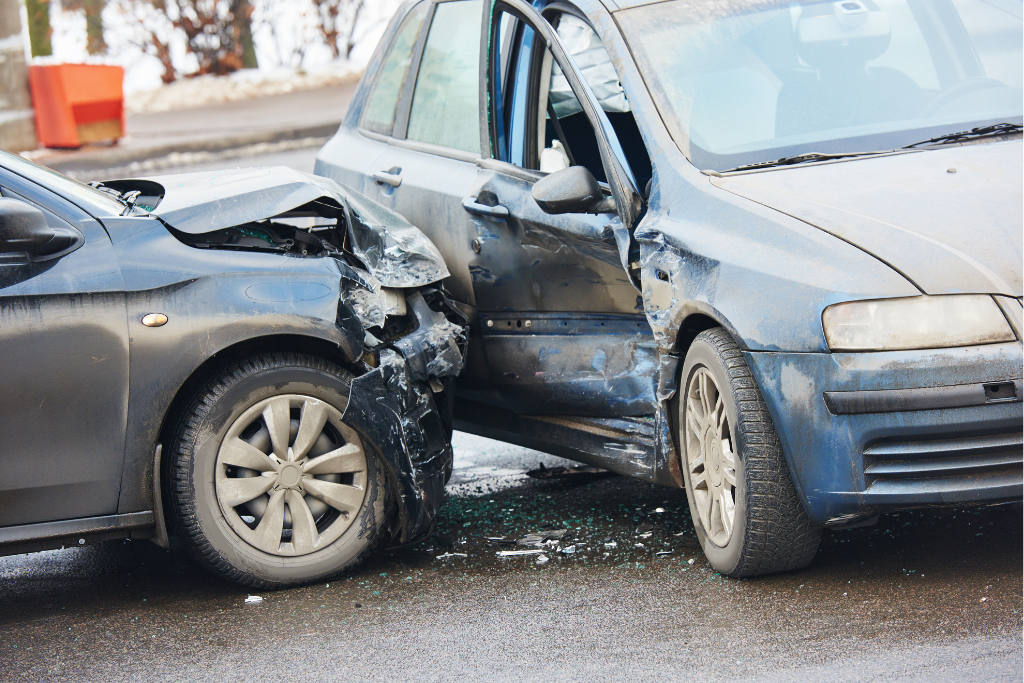
There is no standard California car accident settlement amount. A claim’s value depends on evidence of fault, the nature and duration of the injuries, financial and personal losses, available insurance, liens, and the risks of continued negotiation or litigation. Two crashes that look similar can lead to different outcomes because the evidence, coverage, and injuries differ.
We help injured people understand how these factors fit together. The following overview explains why settlement offers vary and what records can help clarify a claim. It does not estimate what any particular case is worth.
Before discussing compensation, the parties usually examine who caused the crash and what evidence supports that conclusion. A police report can be useful, but it is not necessarily the final decision about civil fault. Statements, photographs, video, vehicle damage, road conditions, event data, and witness accounts may tell a fuller story. California comparative-fault principles may reduce a recovery based on a claimant’s share of responsibility, depending on the evidence and applicable law.
Promptly preserve dashcam or nearby surveillance footage, witness contact information, vehicle photographs, repair records, and scene details. Video can be overwritten, and vehicles may be repaired or salvaged. If more than one driver, vehicle owner, employer, or other party may be involved, gather identifying and insurance information when it is safe.
The California Civil Jury Instructions include instructions used to explain negligence and comparative fault. A report or traffic citation may be relevant, but the civil claim still depends on the full record.
An injury’s diagnosis, treatment, recovery time, lasting limitations, and effect on daily life can all affect damages. Medical records help establish what happened and what care was provided. The claim may also depend on whether the symptoms and treatment are consistent over time and how the injury affects work, caregiving, sleep, mobility, and other activities.
Insurers may ask whether the collision caused a condition or worsened a preexisting one. Prior health issues do not automatically prevent a claim, but the records should distinguish the person’s condition before the crash from any change afterward. Delayed symptoms, gaps in treatment, and differing medical opinions can raise questions that need a clear, accurate explanation.
Past expenses may include emergency care, follow-up visits, rehabilitation, medication, and medical devices. Future expenses may involve additional treatment or support, but projections should be grounded in medical evidence rather than guesswork. Keep bills, explanation-of-benefit statements, prescriptions, and provider recommendations. If a doctor recommends future care, preserve the written plan and any estimate that explains the expected services.
Past wage loss can be supported by pay records, employer statements, tax documents, and dates missed for treatment. A future loss of earning capacity is different: it concerns how the injury may affect the ability to earn over time and may require medical or vocational evidence. Keep records of missed shifts, reduced hours, modified duties, and any changes in work responsibilities.
A claim may also include pain, emotional distress, inconvenience, and loss of enjoyment of activities. There is no reliable universal formula that converts these experiences into a settlement amount. Medical notes, a symptom journal, photographs, and clear descriptions of functional changes can help document the effect of an injury without overstating it.
California’s minimum liability limits for standard auto policies increased in 2025 to $30,000 per injured person, $60,000 per accident, and $15,000 for property damage. Actual limits depend on the policy and accident date. The California Department of Insurance explains the updated amounts in its auto-liability limits notice. An insurer’s policy limit can constrain what that insurer pays; it does not necessarily measure all damages that may be claimed against a legally responsible party.
Check whether the at-fault driver has higher limits, whether multiple policies or responsible parties are involved, and whether your own uninsured/underinsured motorist coverage may apply. Policy language, notice requirements, exclusions, and the facts matter. Do not assume coverage exists until the policy is reviewed.
Health insurers, medical providers, workers’ compensation carriers, Medicare, Medicaid, or other benefit programs may assert reimbursement or lien rights, depending on who paid and the governing rules. Those claims can affect the amount a person ultimately keeps after settlement. Request current payoff information and have any claimed lien reviewed before funds are distributed.
Settling before the injury’s course and future care are reasonably understood may leave important losses unresolved. On the other hand, waiting can involve additional expenses and procedural risks. A settlement release may end the right to seek more money for the same claim, even if symptoms later change. Litigation risk, evidence disputes, court schedules, and the possibility of trial also influence negotiations.
California injury claims generally have filing deadlines, and exceptions may apply. Do not let negotiations substitute for checking the deadline. Review the California Courts filing-deadline guide and get advice promptly.
We represent injured people in Santa Rosa and Northern California. We can review liability evidence, injury documentation, insurance coverage, and questions about liens or deadlines. Call (707) 244-6050 for a case-specific evaluation. Learn about our motor vehicle accident representation and Santa Rosa personal injury office, or contact Hansen, Frisbie & Clausen.
Averages are not a dependable way to value an individual claim. They may combine cases with different injuries, fault evidence, insurance limits, and legal costs. The relevant evidence in your case matters more.
Possibly. California generally applies comparative-fault principles, so a claimant’s own share of responsibility may reduce damages rather than automatically bar recovery. The percentage and effect depend on the facts and current law.
Before signing a full release, consider whether your prognosis and future-care needs are understood. A settlement may close the claim permanently. Discuss unresolved treatment and the scope of any proposed release with an attorney.