09/30/2025
4 Things to Do Right After a Car Accident in California


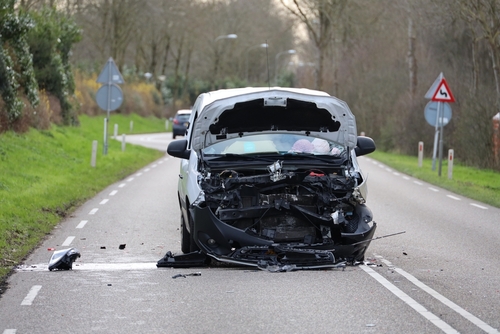
The steps you take in the minutes and days after a car accident in Santa Rosa can significantly affect both your health and your ability to recover compensation later. Check for injuries first, document the scene thoroughly, exchange information calmly, report the accident correctly, and get medical care promptly, all before you say anything that could be used against your claim.
At Hansen, Frisbie & Clausen, we’ve helped individuals and families throughout Sonoma County navigate personal injury claims with confidence for more than five decades. If you were in a car accident in Santa Rosa, call our car accident lawyers at (707) 244-6050 to talk with our team about protecting your claim from the start.
Before anything else, check yourself and any passengers for injuries, and call 911 immediately if anyone is hurt or if the situation requires police or emergency medical response. Adrenaline can mask injury symptoms in the moments after a crash, so don’t assume you’re uninjured just because you don’t feel immediate pain.
If your vehicle is drivable and it’s safe to do so, move it out of active traffic. Once you’re in a safe location, begin documenting the scene while the details are still fresh.
Take photos of the vehicles involved, showing damage from multiple angles, along with the overall accident scene, license plates, traffic signals and signs, road conditions, skid marks, and any visible injuries. Write down what you remember about how the accident happened while it’s still fresh in your mind, including the time, location, and direction each vehicle was traveling.
Exchange names, contact information, driver’s license numbers, license plate numbers, and insurance information with the other driver involved. Get contact information for any witnesses at the scene as well, since their account of what happened can become valuable if fault is later disputed. Keep this exchange factual, and avoid speculating about who was at fault or apologizing in a way that could be misread as an admission.
California law generally requires drivers to report an accident to the DMV using an SR-1 form when the crash results in injury, death, or property damage exceeding a certain threshold, regardless of whether police responded to the scene.
Separately, if police do respond, they’ll typically generate their own collision report. These are two different requirements, and satisfying one doesn’t necessarily satisfy the other, so make sure both are addressed if your accident qualifies.
Seek medical attention as soon as possible after your accident, even if you feel fine initially. Some injuries, particularly soft tissue injuries and concussions, don’t produce obvious symptoms right away. Prompt medical care not only protects your health, it also creates a documented record connecting your injuries to the accident, which can matter significantly if you pursue a claim later.
California follows a pure comparative negligence rule, meaning your compensation can be reduced by your own percentage of fault in the accident, but it isn’t eliminated entirely just because you share some responsibility.
Even if you were partially at fault, you may still be entitled to recover a portion of your damages based on the other driver’s share of fault. How fault gets divided depends on the specific facts and evidence involved in your case.
After an accident, be cautious about how you communicate with insurance companies, including your own. Avoid:
These conversations can significantly affect the value of your claim, so it’s worth having guidance before engaging with an insurance company in detail.
For more than five decades, Hansen, Frisbie & Clausen has helped individuals and families throughout Sonoma County navigate personal injury matters with clear communication, practical advice, and personalized representation.
Our attorneys bring diverse backgrounds, including former prosecutors and decades of trial experience, giving our clients the benefit of multiple perspectives while staying focused on one goal: helping you move forward with confidence.
Whether your case involves a straightforward car accident claim, a broader personal injury matter, or a tragic wrongful death, our team is ready to help. Contact Hansen, Frisbie & Clausen at (707) 244-6050 today to get the help you need.
Yes, in many cases. California law generally requires you to report an accident to the DMV using an SR-1 form when it results in injury, death, or property damage above a certain threshold, even if police weren’t involved. Check the specific requirements to confirm whether your accident qualifies.
You may still be able to recover compensation. California follows a pure comparative negligence rule, meaning your compensation can be reduced by your percentage of fault, but it isn’t automatically eliminated just because you share some responsibility for the accident.
California law imposes a statute of limitations on personal injury claims, meaning there’s a limited window of time to file after an accident. Because missing this deadline can permanently bar your ability to recover compensation, it’s important to speak with an attorney as soon as possible after your accident.
Be cautious about doing so without guidance. Insurance adjusters are often trained to ask questions in ways that can be used to minimize your claim, and providing a statement before understanding your rights can affect the value of your case. Consider speaking with an attorney before giving any detailed statement to the other driver’s insurance company.