
10/10/2024
How Can Motorcycle Modifications Impact Accident Liability?


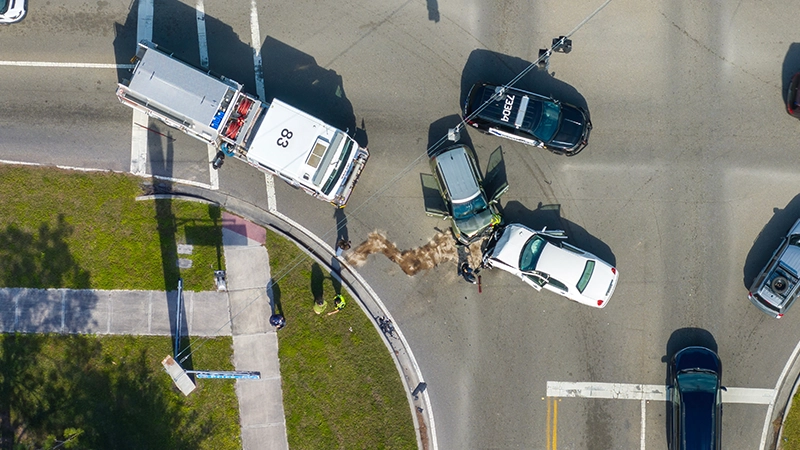
California is still the only state where lane splitting is legal, but it remains controversial. Proponents say it decreases traffic congestion, but detractors say it increases risks of motorcycle accidents.
The California Highway Patrol (CHP) defines “lane splitting” as riding between lanes of stopped or slower-moving traffic or moving between lanes to the front of traffic stopped at a traffic light. It’s also called “white lining” because the rider typically moves between two rows of vehicles.
Since the practice is legal, California insurance companies cover most lane-splitting accidents. If you’re involved in a crash, here are several factors for strengthening your personal injury claim.
Since California is a pure comparative fault state, a plaintiff can claim damages even if they are 99% at fault. Police and insurance investigators determine fault, and one or several parties can be found negligent.
You’ll likely have a strong case for compensation if you can prove:
Pure comparative fault assigns percentages of liability for each party. For example, if you were 30% at fault for the crash and sustained $50,000 in damages, the maximum amount you can recover is $15,000.
A host of California traffic laws can strengthen your personal injury claim and prove the other party’s negligence. The CHP recommends that riders be aware of the following laws from the California Vehicle Code:
Knowing how liability is assessed can help you strengthen your claim. Discuss these factors with your lawyer and insurance carrier to determine whether you’re taking the necessary steps to secure compensation.