09/01/2022
When Can Police Search Your Property?


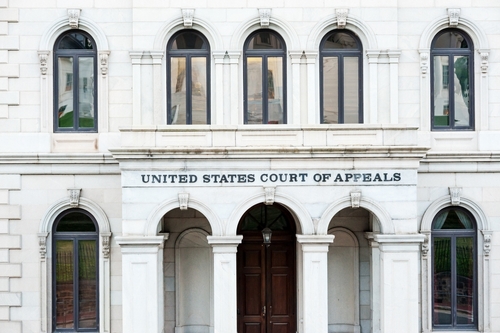
A California appeals court has revived a negligence lawsuit arising from the 2020 death of Sonoma County social worker Sylvia Bracamonte, allowing her daughter’s claims against the County of Sonoma to move forward.
Attorney Mark Clausen of Hansen, Frisbie & Clausen represents Bracamonte’s daughter in the case. The September 30, 2026, decision from the California Court of Appeal, First Appellate District, Division Three, reversed a trial court judgment that had ended the case against the county and sent the matter back to the trial court for further proceedings.
The Press Democrat recently covered the ruling and spoke with Clausen about what the decision means for the family and the case.
Sylvia Bracamonte was 33 years old when she was killed on March 20, 2020. She worked as a social worker and program coordinator at Sanctuary House, a transitional residential facility in Cotati operated by Community Support Network.
According to the appellate court’s opinion, an 18-year-old resident placed at the facility by Sonoma County fatally attacked Bracamonte. The lawsuit brought on behalf of Bracamonte’s daughter alleges the county knew information about the resident’s history and the danger he potentially presented but failed to adequately warn Bracamonte and others working at the home.
The allegations include that the county possessed information about the resident’s prior secure placement, severe mental illness, violence, and threats that staff members at Sanctuary House did not have.
The case has proceeded through the courts for several years as Bracamonte’s family has sought to hold the appropriate parties accountable for the circumstances surrounding her death.
The lawsuit against Sonoma County centered in part on whether the county had a legal duty to warn Bracamonte about the danger allegedly posed by the resident.
The trial court concluded that the complaint did not adequately establish the type of “special relationship” necessary to impose such a duty and ultimately entered judgment against Bracamonte’s daughter.
That ruling could have brought the claim against Sonoma County to an end.
Instead, the plaintiffs appealed.
The case went before the First District Court of Appeal, which considered whether the allegations were legally sufficient to establish that Sonoma County could owe Bracamonte a duty of care under California law.
On September 30, 2026, the Court of Appeal reversed the judgment.
The appellate court concluded that, based on the allegations before it, Sonoma County had a special relationship with Community Support Network arising from the contractual placement arrangement. That relationship could support a duty to protect the organization and its staff from risks associated with residents the county placed there.
Importantly, the court distinguished between controlling a resident’s behavior and providing a warning.
The decision concluded that the county may not have had the ability to control the resident’s actions, but it allegedly possessed information that could have been communicated to Community Support Network and its employees. The court determined that the allegations were sufficient for the duty analysis to continue.
The appellate court therefore reversed the judgment and remanded the case so the trial court can address additional policy considerations relevant to whether that duty should be limited or excused.
Because the opinion is unpublished, it generally cannot be cited as precedent in other California cases except in circumstances permitted by California court rules. Its significance for Bracamonte’s family, however, is immediate: the judgment that had stopped this claim has been reversed, and the case can continue.
The Press Democrat highlighted the appellate ruling in its October 11, 2026, reporting on the case.
Clausen, who represents Bracamonte’s daughter, described the ruling as an important development because it keeps the family’s case alive after years of litigation.
The decision does not determine that Sonoma County is ultimately liable for Bracamonte’s death. Instead, it reverses the previous judgment and gives the plaintiffs the opportunity to continue pursuing their claim as the trial court addresses the remaining legal and factual issues.
That distinction is important. Appeals often concern whether a case was decided correctly at a particular stage, not whether a plaintiff has already proved the entire case. Here, the appellate court concluded that the lower court’s duty analysis did not justify ending the case as it had.
At Hansen, Frisbie & Clausen, our attorneys understand that complex injury and wrongful death cases may require persistence through years of litigation, including appeals when necessary.
For Sylvia Bracamonte’s family, the September decision represents another opportunity to have the allegations against Sonoma County considered by the courts. We are honored to continue representing her daughter as the case proceeds.
Readers can learn more about the appellate ruling, the history of the case, and Mark Clausen’s comments in The Press Democrat’s full coverage of the decision.
If you or your family has questions following a serious injury or wrongful death caused by another party’s alleged negligence, Hansen, Frisbie & Clausen can help you understand your legal options. Contact our Santa Rosa attorneys or call (707) 244-6050 to discuss your situation.