09/15/2026
Dog Bite Injuries in California: Your Rights Under the State’s Strict Liability Law


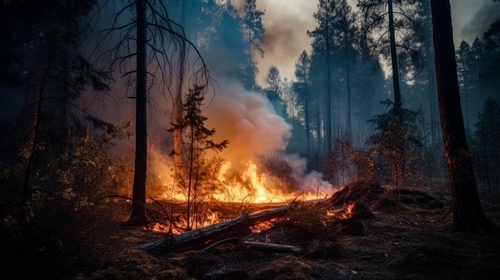
Wildfire victims in Sonoma County may be entitled to compensation for property loss, rebuilding costs, injuries, and more, but figuring out who’s actually liable, and how a lawsuit interacts with your insurance claim, often requires untangling a more complex legal landscape than a typical accident case. Understanding your options early can make a real difference in what you ultimately recover.
At Hansen, Frisbie & Clausen, we’ve helped individuals and families throughout Sonoma County navigate catastrophic personal injury and property damage claims with confidence for more than five decades. If you were affected by a wildfire in Sonoma County, call (707) 244-6050 to talk with our team about your options.
Wildfire claims often differ from other personal injury or property damage cases because they can involve multiple potential defendants, overlapping insurance issues, and legal theories specific to California, such as inverse condemnation against utilities and public entities. Because wildfires can affect entire communities at once, these cases sometimes proceed as part of larger coordinated litigation, in addition to individual claims.
Liability for a wildfire depends heavily on what actually caused it. Potential parties can include a utility company whose equipment ignited the fire, a property owner or contractor whose negligence started the blaze, or, in some cases, a government entity connected to the circumstances of the fire.
Many of California’s most destructive wildfires have been linked to utility company equipment, including downed power lines, failed equipment, and inadequate vegetation management near power infrastructure. When a utility’s equipment is found to have caused a wildfire, the utility may be held liable for the resulting damages, particularly where evidence shows a failure to properly maintain or inspect equipment in high-risk areas.
Inverse condemnation is a legal theory unique to California that can apply when a public utility’s equipment causes property damage, even without a separate showing of negligence. This theory has been applied in wildfire cases involving utility infrastructure, though its application depends on the specific facts and legal circumstances of each case. Because this is a complex and evolving area of California law, it’s worth discussing with an attorney whether it may apply to your specific situation.
Wildfire victims may be entitled to recover a range of damages depending on how the fire affected them.
Recoverable property-related damages can include the value of a destroyed or damaged home, the cost of rebuilding, damaged personal property, and compensation for the loss of use of your property while it’s uninhabitable. Some cases have also allowed for damages tied to diminished property value even after rebuilding.
Beyond property damage, wildfire victims who suffered physical injuries, smoke inhalation, or other health effects may have a personal injury claim. In cases involving significant psychological trauma from the event, emotional distress damages may also be available. Families who lost a loved one in a wildfire may have a separate wrongful death claim.
An insurance claim and a wildfire lawsuit against a responsible party are two different processes that can work alongside each other. Your insurance policy generally provides coverage for your losses up to your policy limits, regardless of fault, while a lawsuit against a negligent party, such as a utility company, can pursue additional compensation beyond what your insurance covers. In many wildfire cases, both processes end up interacting, particularly if your insurer seeks reimbursement from a liable party after paying your claim.
If your regular homeowner’s insurance policy doesn’t fully cover your losses, or if you were enrolled in the California FAIR Plan because standard coverage wasn’t available in your area, understanding the specific terms and limits of that coverage is an important part of your overall recovery.
FAIR Plan coverage can differ significantly from a standard homeowner’s policy, and reviewing your policy documents carefully, or having an experienced wildfire lawyer review them with you, can help clarify what’s actually covered.
If it’s safe to do so, try to preserve evidence connected to your losses, including:
Wildfire claims can be subject to different deadlines depending on who’s being sued and the nature of your claim.
California’s general personal injury and property damage filing deadline of two years apply in many cases, but claims involving certain utilities or public entities can carry their own specific procedures and timing requirements, generally less than 6 months of the date of the incident.
Because missing an applicable deadline can permanently bar your ability to recover compensation, it’s important to speak with an attorney as soon as possible after a wildfire affects you.
For more than five decades, our team at Hansen, Frisbie & Clausen has helped individuals and families throughout Sonoma County navigate personal injury and property damage matters with clear communication, practical advice, and personalized representation. Our attorneys bring diverse backgrounds, including former prosecutors and decades of trial experience, giving our clients the benefit of multiple perspectives while staying focused on one goal: helping you move forward with confidence.
Wildfire claims often involve multiple potential defendants, complex insurance questions, and legal theories that don’t come up in a typical personal injury case. Whether your situation involves significant property damage, catastrophic injuries, or the loss of a loved one, our team is ready to help you understand your full range of options.
Contact a Sonoma County wildfire lawyer with Hansen, Frisbie & Clausen at (707) 244-6050 today.
Potentially, yes, if evidence shows the utility’s equipment or negligence caused or contributed to the fire. These cases often depend on evidence connecting the fire’s origin to specific equipment failures or inadequate maintenance, which typically requires investigation to establish.
Yes. An insurance claim and a lawsuit against a responsible party are separate processes that can proceed together. Your insurance covers your losses up to your policy limits regardless of fault, while a lawsuit can pursue additional compensation from a party whose negligence caused the fire.
If your home was destroyed, you may be entitled to compensation for its full value, the cost of rebuilding, your personal property, and the loss of use of your home during the rebuilding process. Reviewing your insurance policy carefully, and considering whether a claim against a responsible third party may apply, is an important part of maximizing your recovery in a total loss situation.
This depends on the type of claim and who you’re pursuing. General personal injury and property damage deadlines apply in many cases, generally two years, but claims involving certain utilities or public entities can carry different procedures and a shorter deadline of 6 months. Because these deadlines vary, it’s important to speak with an attorney as soon as possible after a wildfire affects you.